
If you've ever opened a jar to find your flower crumbling to dust (or worse, noticed a fuzzy patch of mold creeping across a bud), you already know the truth every grower and consumer eventually learns: humidity control isn't optional when it comes to cannabis storage. It's the single biggest factor separating flower that stays fresh, potent, and flavorful for months from flower that degrades within weeks.
At Evergreen Pods, humidity control is our entire reason for existing. We built the Evergreen Humidification Pod specifically to solve this problem, and after helping thousands of customers protect their stash, we've put together the guide we wish existed when we started: everything you need to know about how humidity affects weed, and how to actually manage it through proper weed storage.
Why Humidity Matters More Than Anything Else in Your Jar
Cannabis flower is in some ways living, breathing plant material even after it's cured. The trichomes (those crystal-like structures coating the buds) hold the terpenes and cannabinoids responsible for aroma, flavor, and effect. Both trichomes and terpenes are extremely sensitive to moisture levels.
When relative humidity (RH) inside your storage container drifts too low, flower dries out. Trichomes become brittle and break off, terpenes evaporate, and what's left is harsh, flavorless, and less potent. When RH climbs too high, you get the opposite problem: excess moisture creates the ideal environment for mold, mildew, and bacterial growth, which can ruin an entire jar and pose real health risks.
The target most cultivators and connoisseurs agree on is a relative humidity range of roughly 55-62% RH. Inside that window, terpenes stay locked in, trichomes stay intact, and the flower maintains the smell, texture, and burn quality it had the day it was cured. Outside that window in either direction, degradation begins, and once terpenes off-gas or mold takes hold, there's no getting that quality back.
The Problem with "Set It and Forget It" Humidity Packs for Weed
Most people's first move toward humidity control is a disposable humidity pack for weed, the small salt-based packets you toss into a jar and forget about. These work on a simple principle: they release or absorb moisture to maintain a target RH.
The problem is that disposable humidity packs have a finite lifespan. Once they're saturated or depleted, they simply stop working, often without any obvious sign that they've expired. That means you could be storing flower next to a "dead" pack for weeks without realizing your humidity control has quietly failed. On top of that, they generate ongoing waste: every pack you use eventually ends up in a landfill, and you're stuck buying replacements indefinitely.
There's also a physical downside. Traditional packs get dropped loose into the jar, where they can shift around and bump against delicate buds, knocking trichomes loose every time the jar is opened, closed, or transported.
How Evergreen Pods Solve the Humidity Control Problem
The Evergreen Humidification Pod was designed to fix exactly these shortcomings. It's a two-way humidity control system, meaning it can both release moisture into dry air and absorb excess moisture from humid air, automatically buffering your jar toward the ideal RH range rather than pushing in only one direction.
Here's what makes the Evergreen Pod different from a standard weed humidity pack:
- Reusable for years, not weeks. With proper care, a single pod can be recharged and reused for up to five years. When it becomes too dry, you can recharge it yourself easily with drinking water.
- No flower disturbance. The pod uses an internal magnet to attach directly to the underside of any metal jar lid. Instead of rattling around loose against your buds, it stays fixed in place, protecting trichomes from unnecessary contact and damage.
- Rehydration, not just maintenance. Because it's a true two-way system, an Evergreen Pod can actively restore moisture to buds that have already started drying out.
- Fits any jar, any quantity. The magnetic design works with any jar that has a metal lid, up to a quart in size. One pod comfortably handles an ounce of flower in an 11-ounce jar, or a quarter-ounce in a smaller 4-ounce jar. For larger stashes, simply use more than one pod to extend time between recharges.
- Sustainable by design. Because it isn't discarded after a single use cycle, the Evergreen Pod eliminates the repeat packaging waste of disposable humidity packs, better for your wallet and for the planet.
Building the Ideal Weed Storage Solution
Humidity control works best as part of a complete storage system, not a standalone fix. Even the best pod can't do its job in the wrong container. Clear glass exposed to sunlight, or plastic bags and containers that let air and light through, will undermine your efforts no matter how well-calibrated your humidity is.
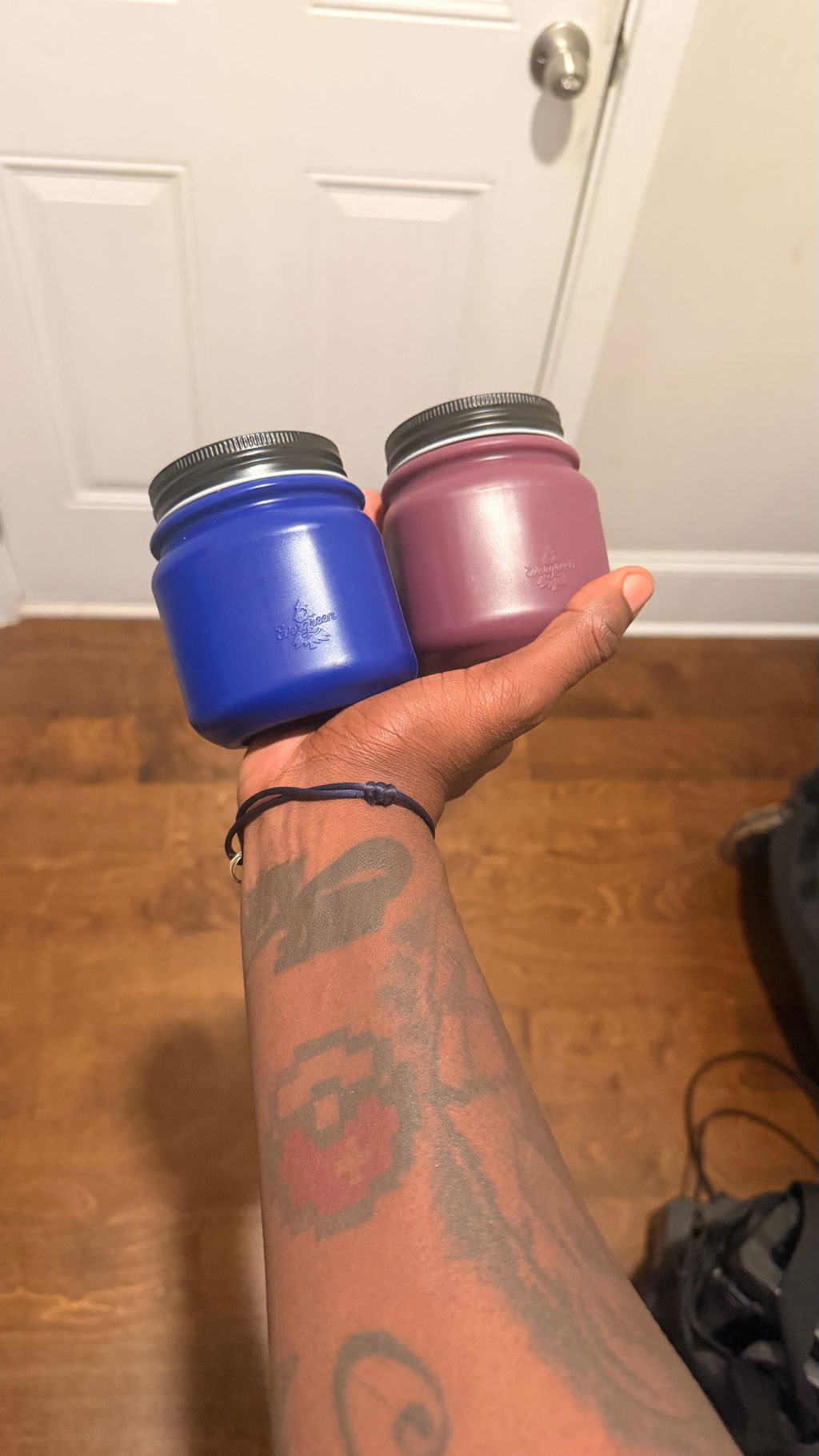
That's why we pair the Evergreen Pod with the Evergreen Jar (together, the Evergreen Storage Solution) to create a complete weed storage solution: the jar shields flower from oxygen and UV light, the other two major degradation factors alongside humidity, while the pod maintains the internal RH sweet spot. Together, they address all three primary threats to cannabis freshness in a single setup.
Getting Started with Humidity Control
If you're serious about preserving flower quality (the flavor, aroma, potency, and shelf life), humidity control isn't just nice to have, it's foundational. A disposable humidity pack for weed can get you through a jar or two, but for anyone storing cannabis regularly, a reusable, two-way system like the Evergreen Pod pays for itself many times over while delivering consistent, forgiving humidity control.
Start with a single Evergreen Pod in your current stash jar, or upgrade to a full Evergreen Storage Solution for complete protection. Either way, you'll notice the difference the next time you open the lid: buds that still smell, feel, and smoke the way they did the day you sealed them in.